Pay-Per-Click (PPC) – What is it?
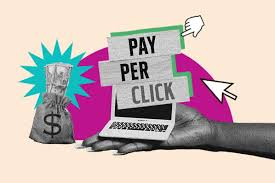
Pay-per-click (PPC) advertising: what is it?
You can run text, display, and video ads on partner websites and search engine results pages with PPC advertising. It's an affordable approach to expand your campaigns and reach new audiences because you only have to pay when someone clicks on your advertisement.HubSpot projects that in 2022, PPC will make up 39% of digital ad spending. Marketing professionals must become experts in PPC due to increased competition and rising click-through rates. Everything you need to know will be covered, including platform alternatives, PPC fundamentals and ROI maximization. This resource offers practical advice and tactics for anyone wishing to enhance their sponsored search campaigns, regardless of experience level.
What is PPC Marketing? Pay-per-click, or PPC, is an online marketing strategy in which advertisers are charged a fee each time a user clicks on their advertisement. It enables you to: -Display ads to people searching for specific keywords or terms -Show ads on websites through display advertising networks -Reach your target audience when they are most likely to convert
You can customize your PPC budget and only pay for leads or visitors generated by your advertisement. When it comes to digital advertising, it offers greater control than other kinds.
Why Is Pay-Per-Click Marketing Important?
The following are some of the main advantages of PPC, which make it a crucial marketing channel:
-Cost-effective: You can scale up or down based on results by setting daily budgets that are in line with your aims.
-Measurable outcomes: You may base your approach on PPC statistics, which includes impressions, clicks, conversions, and expenses.
-Exact reach: You may target visitors based on their location, search phrases, interests, sites viewed, and more.
-Flexibility: Quickly start and stop advertising in response to market conditions.
-Enhances SEO: PPC and SEO collaborate to raise awareness and traffic.
When used properly, PPC may link you with audiences who are likely to become customers and provide a high return on investment (ROI).
Google Ads' advantages
Google Ads accounts for 40% of worldwide digital ad income and is the most popular pay-per-click platform. To get things going, here's an introduction:
An Overview of Google Advertisements
Google's advertising platform, Google Ads, enables companies to run advertisements on the Google Display Network and Search Network. You can build text, image, video, and app install advertisements using Google Ads for display on:
-Ads appear next to search results on Google
-More than 2 million webpages, videos, and apps are available on Google Display Network.
-Product listings on Google Shopping
-Videos on YouTube
It's an affordable kind of advertising because you only have to pay when someone clicks on your advertisement.
How to Begin Using Google Ads The essential steps for managing Google Ads campaigns are summarized as follows:
-Establish your billing details and Google Ads account.
-Set clear objectives for your spending, timetable, bidding, targeting, and placements.
-Make ad groups based on items and keywords.
-Create landing pages and ad copy that is captivating.
-Track results and adjust for ROI and conversions.
Well-known PPC Networks and Choices
Although Google Ads is the most popular PPC platform, there are other choices as well: -Google Ads – works best for search network campaigns. -Bing Ads – provides PPC advertising within Bing, Yahoo, MSN and other search engines. -Facebook Ads – enable advertising on Facebook, Instagram and Audience Network. -AdRoll – focuses on retargeting across devices through display, social and video ads. -RevContent – is a content recommendation network for sponsored links across publishers.
To find the ideal combination, assess each platform in light of your objectives, financial constraints, and target market.
Powerful Benefits of PPC Advertising
-Economical
You can begin with PPC with daily spending as low as £25 and progressively increase them as your business grows. Bidding and budget limitations provide you control over your advertising expenses.
-Measurable ROI PPC offers information on impressions, clicks, conversions, and other metrics to assess ROI. Bids and targeting can be adjusted to maximize success metrics.
-Adaptable Campaign Supervision
In just a few minutes, launch new advertisements and adjust or suspend poorly performing ones without affecting the final outcome. Easily adjust to new endeavors or items.
-Capabilities to Target
For extremely relevant reach, target visitors based on their interests, search phrases, location, demographics, and other factors.
-Visibility and Brand Awareness
PPC puts your brand in front of consumers right when they're looking for relevant terms and subjects.